Machame Route at a Glance
The Five Climate Zones on the Machame Route
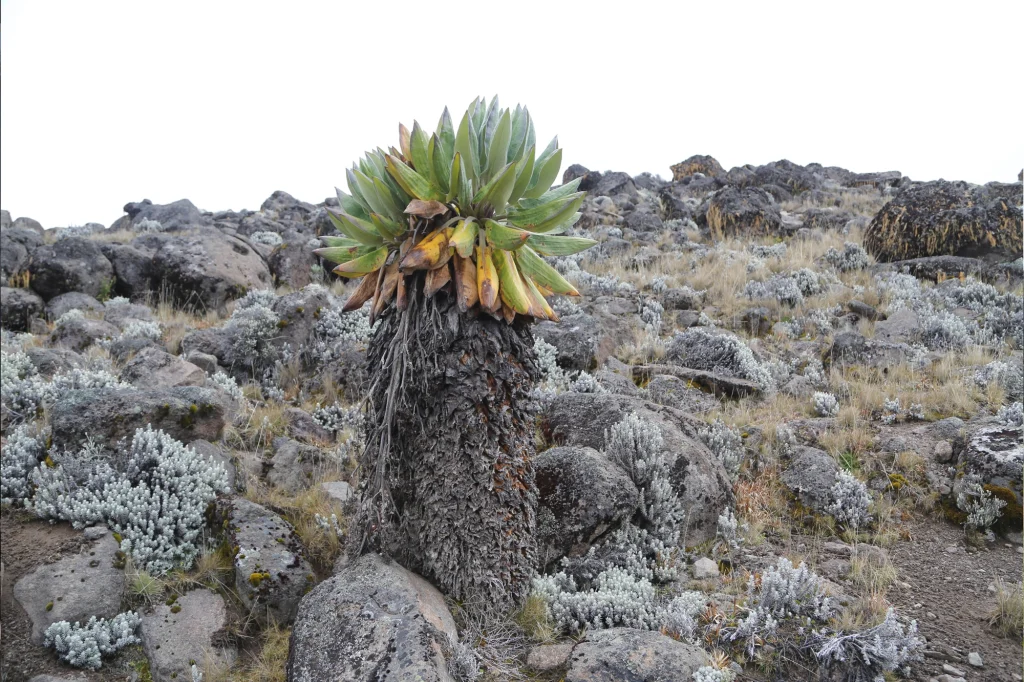
Machame passes through every Kilimanjaro climate zone:
Climb High, Sleep Low
The Machame Route’s key acclimatization feature is the Day 3 profile. You climb to around 4,630 m at Lava Tower, then drop to about 3,980 m to sleep at Barranco. Spending time at higher altitude and sleeping lower is one of the best ways to help your body adjust, and it improves summit odds compared with routes that climb steadily without this dip.
The Barranco Wall
The Barranco Wall is the best-known feature of the route. It looks intimidating, a steep rocky face rising behind Barranco Camp, but it is a scramble with hand holds rather than a technical climb. You need no ropes or climbing experience, though it can be slow when the route is busy. Many climbers say it is the most fun day on the mountain.
Best Time to Climb the Marangu Route
The dry seasons are the best windows:
The rainy seasons (roughly April to May and November) bring wet, slippery trails and poor visibility.
Machame Route vs Other Kilimanjaro Routes
If you want the best chance of reaching the summit, Lemosho (or the Northern Circuit) gives more days on the mountain. If you want a well-trodden camping route with strong scenery in a shorter timeframe, Machame is a solid choice.
Is the Machame Route Hard?
Machame is moderate to challenging. The trail is steeper than Marangu, with long hiking days and the Barranco Wall, but it is not technical. Altitude is the real test on every route, and Machame’s acclimatization profile helps. The 6-day version is noticeably tougher than the 7-day one.
Tips to improve your chances:
Best Time to Climb the Machame Route
The dry seasons are the best windows:
The rainy seasons (roughly April to May and November) bring wet, muddy trails and poor visibility. Machame is busy in peak season, so book early.
What’s Included in a Machame Route Package
Not included (typical): international flights, visas, insurance, personal gear, sleeping bag rental and crew tips.
Responsible Climbing and Porter Welfare
Porters carry much of the gear on Kilimanjaro, so how a company treats its crew matters. We pay fair wages, limit loads and provide proper gear for our team.